Programs
Supported Independent Living in sole-occupancy homes
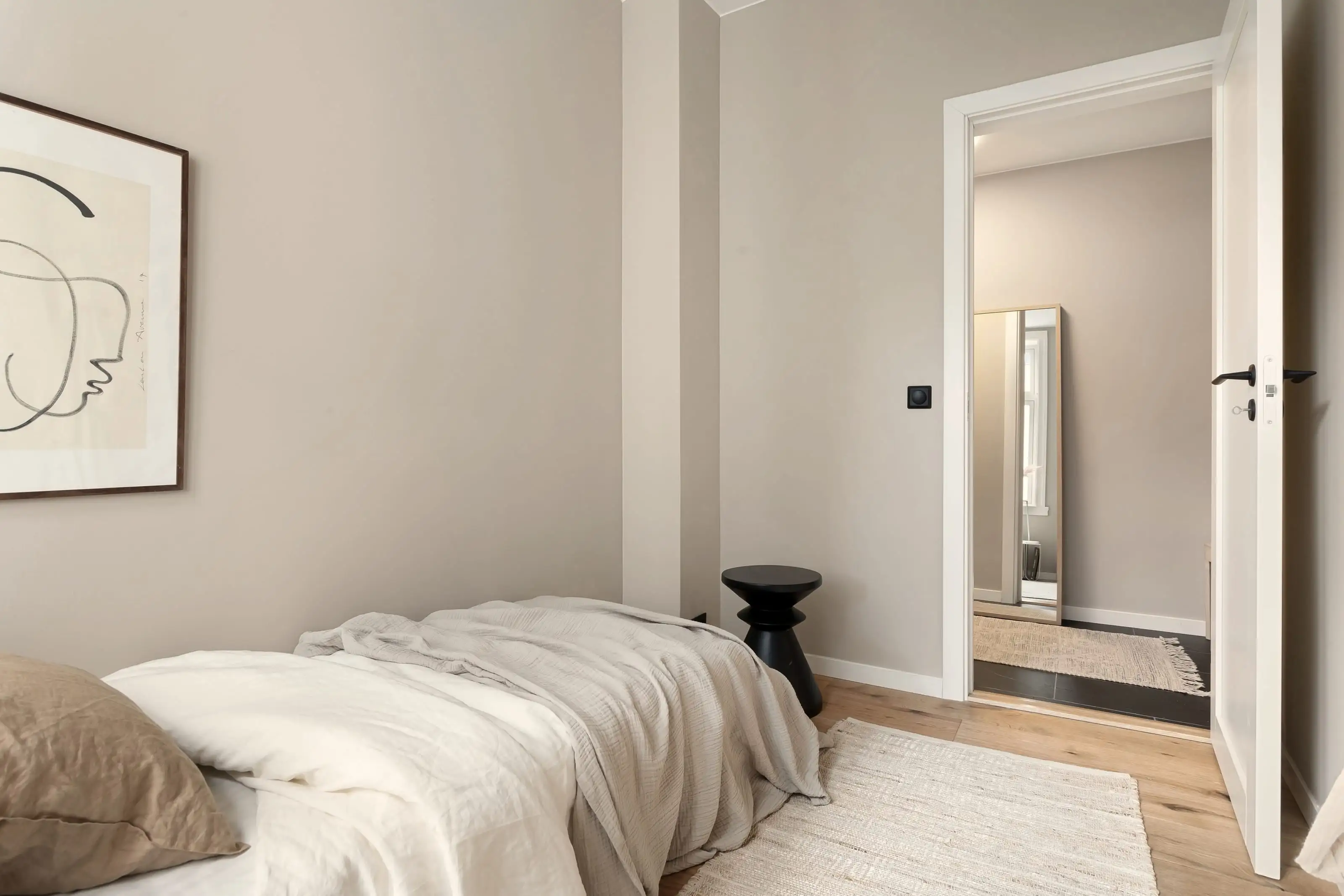
Forensic Disability Supports Queensland provides Supported Independent Living (SIL) at 1:1 or 2:1 for adults, in homes with one person in each, never shared.
Who it is for
The people this program supports
The people
- Adults with disability, funded through SIL at 1:1 or 2:1
- Leaving custody, on a forensic order, stepping down from secure care, or on a supervision order
- Whose risk, order or victim profile rules out sharing a home
- Exited from shared SIL
Where
Homes in Logan, Ipswich, Brisbane and Wacol, Moreton Bay, Sunshine Coast, Toowoomba, Townsville and Cairns. Addresses are given to referrers on request, never published. With no home in the region or no SIL funding yet, we can start with in-home and community support.
Referring
Anyone can refer, including the person themselves
No documents are needed to refer. Send what you have, and we gather the rest on the first call.
Who can refer
- Support coordinators
- Release planners at Queensland Corrective Services
- Treating teams and forensic mental health clinicians
- Guardians and advocates
- Families, and the person themselves
What to send
- The person's first name, last initial, age and primary disability
- Where the person is now
- Your contact details
- NDIS status: participant, access pending, or not yet applied
- The SIL funding held, and any release or court date
What is included
What we provide
One person lives in each home, with a small, fixed team on a roster built around their order, their plan and their week.
How we work- 24/7 support at the funded ratio, 1:1 or 2:1, and never below a safe ratio
- Help to evidence 2:1 first, where the plan funds 1:1 and the risk needs 2:1
- Active overnight or sleepover, as assessed
- Personal care, medication support and daily routines
- Household skills: cooking, cleaning, budgeting and bills
- Community access built around the person's conditions
- The person's behaviour support plan, implemented as written
- A home built to a robust standard, with reinforced walls, impact-rated glazing and tamper-resistant fittings
- The tenancy managed by FDSQ under a head lease, so a placement does not end because a tenancy did
- Shift notes written to a court-ready standard, and written incident notice to the referrer within 12 hours
What is not included
What other services provide
We are a disability support provider. We support the person, document accurately and communicate quickly with the people who hold the order.
-
Shared homes
Every home is sole occupancy. We do not deliver SIL at shared ratios such as 1:2 or 1:3, and we never move a second resident into a home.
-
Specialist Disability Accommodation (SDA)
Our homes are built to a robust standard but are not SDA enrolled, so no SDA approval or application is needed. SIL funding at 1:1 or 2:1 is what is needed.
-
Homes for young people
Our homes are for adults only, and no one under 18 is ever placed with adults. Young people on youth justice orders get support at home and in the community.
-
Clinical treatment
Treatment stays with the person's treating team. We are not a clinical service.
-
Writing behaviour support plans
The person's own behaviour support practitioner writes them. We implement them as written.
-
Support coordination
We deliver support work only, so coordination stays with an independent support coordinator.
Assessment
How we decide on a referral
Before a home is offered, its location is checked against the order and any exclusion zones.
Offence history
- Violence towards others
- Sexual offences, including people on DPSOA supervision orders
- Fire-setting and arson
- Property damage
- Absconding
- Substance use
We assess whether we can support the person safely.
Offence type alone is not a reason we decline.
How it starts
What happens after you refer
7 to 14 days into one of our homes from a complete referral, once SIL funding is confirmed. 5 to 7 days where accommodation is already funded and available.
Make a referral-
Within 2 hours
A yes or a no
We assess whether we can support the person safely and tell you either way. If it is a no, you get the reason.
-
Within 1 day
A call and in-reach
We call you. For a person in custody or a forensic setting, we organise a first in-reach visit and visit as often as is useful, so by release day they have met the worker who will be there.
-
Within 4 days
A matched team
A small, fixed team is matched, and the roster is built around the order, the plan and the week.
-
7 to 14 days
Moving in
From a complete referral, once SIL funding is confirmed, the person moves into the home. Exit and review criteria are agreed in writing first.
Is the home ever shared?
Never. Every FDSQ home is sole occupancy, one person in each, with SIL at 1:1 or 2:1. We do not deliver SIL at shared ratios such as 1:2 or 1:3, and we do not move a second resident into a home.
Does the person need SDA funding?
No. Our homes are built to a robust standard but are not SDA enrolled, so no SDA approval or application is needed. SIL funding at 1:1 or 2:1 is what is needed.
Can someone move in without SIL funding?
Not into SIL. We can start with in-home and community supports, and our shift notes record the support actually needed, which is the evidence a SIL request or plan reassessment relies on.
How fast can someone move in?
7 to 14 days into one of our homes from a complete referral, once SIL funding is confirmed. 5 to 7 days where accommodation is already funded and available. If the date is tighter, call us and we will tell you whether it can work.
Can a young person live in an FDSQ home?
No. Our homes are for adults only, and no one under 18 is ever placed with adults. Young people on youth justice orders get in-home and community support where they live.
Do you screen on offence type?
No. Offence type alone is not a reason we decline. We support people on DPSOA supervision orders, and people with sexual offence and arson histories, in sole occupancy. The home's location is checked against the order and any exclusion zones before it is offered.